Every business wants more leads, more sales, and more visibility online.
But when it comes to digital marketing, one of the biggest questions business owners ask is, “Should I focus on paid advertising or organic marketing?”
It’s an important question because both strategies require an investment—whether it’s dollars spent on ads or time spent building an organic presence. But they don’t deliver results at the same pace.
Paid advertising is often praised for its speed, while organic marketing is celebrated for its sustainability.
So which delivers faster results, and which is the smarter choice for your business? Let’s break it down.
What Is Paid Advertising?
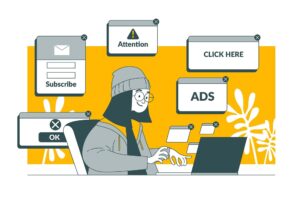
Paid advertising, also called pay-per-click (PPC) marketing, is when you pay to place your business in front of potential customers. This can include Google Ads, social media ads (Facebook, Instagram, LinkedIn), YouTube pre-roll, or even display ads across websites.
The biggest advantage of paid advertising is immediacy. Launching a campaign instantly places your business in front of your target audience.
For example, if you run a Google Ads campaign for “emergency plumbing services,” your business could show up at the top of search results the very same day.
Paid ads also give you complete control over your audience. You can target people based on demographics, location, interests, search behavior, or even retarget people who have already interacted with your business. The trade-off, of course, is cost—you pay every time someone clicks or views your ad.
What Is Organic Marketing?
Organic marketing is the opposite of paid—it’s about earning visibility naturally without paying for clicks. This includes strategies like:
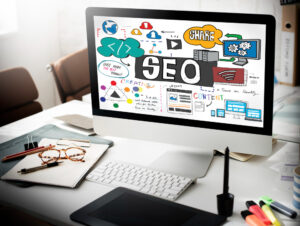
- Search Engine Optimization (SEO): Optimizing your website to appear in Google search results.
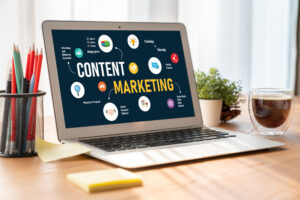
- Content Marketing: Publishing blogs, guides, videos, and resources that build authority.
- Social Media Engagement: Growing a following through posts, stories, and community interaction.
- Email Marketing: Building an owned audience you can nurture over time.
Organic marketing is slower to build but highly sustainable. A blog article written today could continue driving traffic for years.
A social media community, once built, provides ongoing engagement without additional spending. The challenge? It requires consistent effort, time, and patience before results show.
Speed of Results: Paid vs. Organic
If speed is your number one concern, paid advertising wins every time.
Paid campaigns can deliver measurable results—impressions, clicks, and leads—within days or even hours. This makes it ideal for product launches, seasonal promotions, or businesses that need immediate visibility.
On the other hand, organic marketing requires a more gradual approach. SEO campaigns typically take three to six months to gain traction, and content marketing often requires publishing consistently before you see growth. But while organic growth is slower, it compounds over time. A single strong piece of content could bring in steady traffic and leads for years without any additional investment.
So if your goal is “leads by next week,” paid advertising is faster. But if your goal is “leads for the next five years,” organic is the better long-term play.
Cost Considerations
Speed is one thing, but cost is another. Paid advertising requires ongoing spending.
Once you stop funding the campaigns, your visibility disappears overnight. If you’re in a competitive industry, costs can also climb quickly. For example, legal keywords on Google can cost over $100 per click.
Organic marketing, by contrast, has higher upfront costs in time and effort. Creating content, optimizing pages, or building a social following takes significant investment—but the traffic you earn is free once you’ve built authority.
Think of it this way: paid advertising is like renting a house. You get to move in right away, but you’ll always pay rent. Organic marketing is like buying property. It takes longer and costs more upfront, but it becomes an asset that pays off long into the future.
ROI and Sustainability
The return on investment (ROI) of each strategy depends on your goals.
Paid advertising can deliver incredible short-term ROI if campaigns are managed properly. For example, a well-optimized Google Ads campaign could deliver a $3 return for every $1 spent. But it requires ongoing spending and constant optimization to stay profitable.
Organic marketing offers more sustainable ROI. Once you’re ranking on Google for high-value keywords or generating leads from evergreen content, those leads cost you far less over time. Organic presence also builds brand credibility—customers trust businesses that show up naturally in search or have a loyal following.
The best ROI often comes from combining both strategies: using paid advertising for quick wins and organic marketing for long-term growth.
Which Should Your Business Choose?
The answer isn’t either/or—it’s both/and. But the right mix depends on your priorities:
- Need results fast? Paid advertising is the way to go. Perfect for product launches, promotions, or when cash flow requires immediate leads.
- Want to build long-term stability? Organic marketing should be your foundation. Over time, it creates a steady pipeline of leads without ongoing spending.
- Want growth now and in the future? A blended approach is best. Use paid advertising to generate immediate visibility while organic efforts mature in the background.
This hybrid approach ensures you’re not just chasing quick wins but building a strategy that sustains your business year after year.
Speak to a Paid Advertising Expert
When comparing paid advertising vs. organic marketing, the difference in speed is clear. Paid ads deliver immediate visibility, while organic marketing takes longer but provides more sustainable growth.
The most successful businesses in 2025 don’t choose one or the other—they use both. Paid advertising delivers fast results and actionable data, while organic marketing builds authority, trust, and consistent long-term ROI. Together, they create a balanced strategy that drives growth today and tomorrow.
If you’re ready to stop guessing and start seeing real results, partner with a team that understands how to maximize both.
Create The Movement can help you design a paid and organic strategy that saves you money, accelerates growth, and positions your business for lasting success.
Contact us today and let’s start strategizing your next campaign.